It happens every April. You are driving along Canada Road, or walking through Edgewood, or just cutting through a neighborhood near Big Canyon Park, and the hillsides are doing that thing where they turn orange and purple and gold all at once. California poppies catching the light. Lupine in clusters along the trail edge. Wild mustard glowing in open fields. And the thought arrives: can I just… pick some of those?
The honest answer is: it depends. On where you are, what species you are reaching for, who owns the land, and whether anyone is watching. The rules are more complicated than most people realize, and the consequences range from “nobody cares” to “that is actually a misdemeanor.”
At sancarlosflorist.com, we work with cultivated flowers every day — roses, hydrangeas, lilies, the blooms that arrive from growers and get arranged for delivery. But we also love the wild stuff, and we get asked about picking wildflowers often enough that a proper guide felt overdue.
🌼 The California Poppy Question
Let’s start with the big one: Is it illegal to pick a California poppy?
This is the most-repeated flower myth in the state, and the answer is more nuanced than either “yes” or “no.”
California Penal Code §384a makes it illegal to remove, damage, or destroy any plant growing on land you do not own without permission. That includes poppies, but it also includes dandelions, grass, and literally any other plant. The law is not specific to poppies — it protects all plants on someone else’s property.
So picking a California poppy in your own yard? Completely legal. Picking one from a state park, an MROSD preserve, or your neighbor’s front garden without permission? That is where the law applies. The poppy’s status as the state flower does not give it extra legal protection — but it does not need extra protection, because all plants on public and private land are already covered.
The short version: You can pick poppies you grew yourself. Everything else, keep reading.
⛔ Public Land: The Rules Are Clear (and Strict)
On public land in San Mateo County, the rules are straightforward:
- MROSD preserves (Pulgas Ridge, Edgewood, Windy Hill, Russian Ridge, and dozens more): No collecting of any kind. No picking flowers, no pulling plants, no taking seeds. These are nature preserves and the regulations are strict. Rangers do patrol and they do cite.
- California state parks and beaches: Same rule. No removal of any natural material — plants, rocks, shells, driftwood. This applies at San Pedro Valley State Park, Butano, Año Nuevo, and every other state-managed area.
- San Mateo County parks (Coyote Point, Junipero Serra, Huddart, Memorial Park): No plant collection without a permit. General rule: look, photograph, enjoy, leave everything where it is.
- City parks (Burton Park, Laureola Park, Arguello Park): Generally the same. Municipal code in most Bay Area cities prohibits removing plants from public parks.
Edgewood Preserve deserves a special mention. Its serpentine grassland supports rare wildflower species found in very few other places — including the endangered Bay checkerbloom (Sidalcea calycosa) and several rare manzanita varieties. Picking anything there is not just illegal, it is genuinely harmful to a fragile ecosystem that volunteers have spent decades restoring.
✅ Where Casual Picking Is Generally Fine
Not everywhere is off-limits. Here is where flower foraging is typically acceptable:
- Your own property. Your yard, your flowers, your rules. If you planted poppies or they self-seeded in your garden, pick away.
- Roadside edges and vacant lots — with caveats. County road shoulders and unimproved rights-of-way are technically public land, but enforcement for grabbing a handful of wild mustard or fennel from a roadside ditch is essentially zero. Use common sense: do not trespass onto adjacent private property, do not stand in traffic, and do not strip an entire patch.
- Private land with permission. If a friend has a wildflower-filled hillside property and says “take whatever you want,” that is perfectly legal. Many rural landowners along Skyline Boulevard and in the foothills are happy to share.
- Farmers’ markets and u-pick farms. Several coastal farms between Half Moon Bay and Pescadero offer seasonal flower picking, especially in summer. This is the commercial version of foraging, and the flowers are grown for cutting.
🌿 Edible Flowers in Your Own Garden
If the foraging impulse is really about wanting wild, beautiful, interesting flowers in your life, the easiest legal path is growing them yourself. San Carlos yards are excellent for edible and ornamental flowers that blur the line between garden plant and wildflower:
- Nasturtiums — peppery edible flowers in orange, red, and yellow. They self-seed aggressively and thrive in San Carlos’s mild winters. You will never run out.
- Calendula — golden-orange petals that are edible, medicinal, and beautiful in arrangements. Easy to grow from seed, blooms for months.
- Borage — star-shaped blue flowers with a cucumber flavor. Pollinators love them. They self-seed everywhere and look surprisingly elegant in a vase.
- Lavender — thrives in Bay Area microclimates. Fragrant, beautiful dried or fresh, and the bees will thank you.
- Society garlic — purple clusters that bloom nearly year-round in mild areas. Edible flowers with a mild garlic flavor.
- Rosemary — yes, those tiny blue flowers are edible, and a rosemary branch adds unexpected texture to a casual arrangement.
All of these grow well in the ground or in containers on a San Carlos patio, and none of them require a green thumb more advanced than “water sometimes.”
🌻 What Is Blooming Wild Right Now (Late April)
If you want to go look at wildflowers without picking them — and honestly, looking is better anyway — here is what is showing off in the last week of April:
- California poppies — peak right now on sunny hillsides. Edgewood, Pulgas Ridge, and the roadsides along Canada Road are glowing orange.
- Lupine — purple and blue clusters along trail edges and in open grassland. Look for them on the Edgewood Trail and along Skyline.
- Wild radish — white, pink, and lavender blooms on tall stems in disturbed areas and field edges. Technically an invasive species, but undeniably pretty.
- Sticky monkeyflower — orange tubular blooms on coastal scrub and dry hillsides. Native, drought-tolerant, and underrated.
- Checkerbloom — delicate pink flowers in the mallow family, blooming now in grasslands. The wild version of the garden hollyhock’s more refined cousin.
- Blue-eyed grass — tiny violet-blue flowers in grassy areas. Not actually a grass. Charming and easy to miss if you are not looking down.
💧 Why Wild-Picked Flowers Die So Fast
Even where picking is allowed, there is a practical problem: wild-picked flowers die fast. Usually within hours.
Florist flowers are bred and grown for vase life. They are harvested at precise stages, immediately placed in conditioned water with floral preservative, kept at controlled temperatures during transport, and re-cut and hydrated again before arranging. A rose that goes through this process can last 7–12 days in your home.
A wildflower yanked from a hillside goes from “getting water through its roots in cool soil” to “getting nothing, in your warm hand, in direct sunlight” in about two seconds. Most wildflowers wilt within an hour. Poppies are especially hopeless — the petals drop almost immediately after cutting. Lupine droops within minutes without water. Even wild mustard, which looks sturdy, goes limp by the time you get home.
This is not a moral judgment. It is just botany. If you want flowers that look wild but actually last, a florist arrangement inspired by wildflower colors and textures is the move that works.
🏡 The Florist Alternative
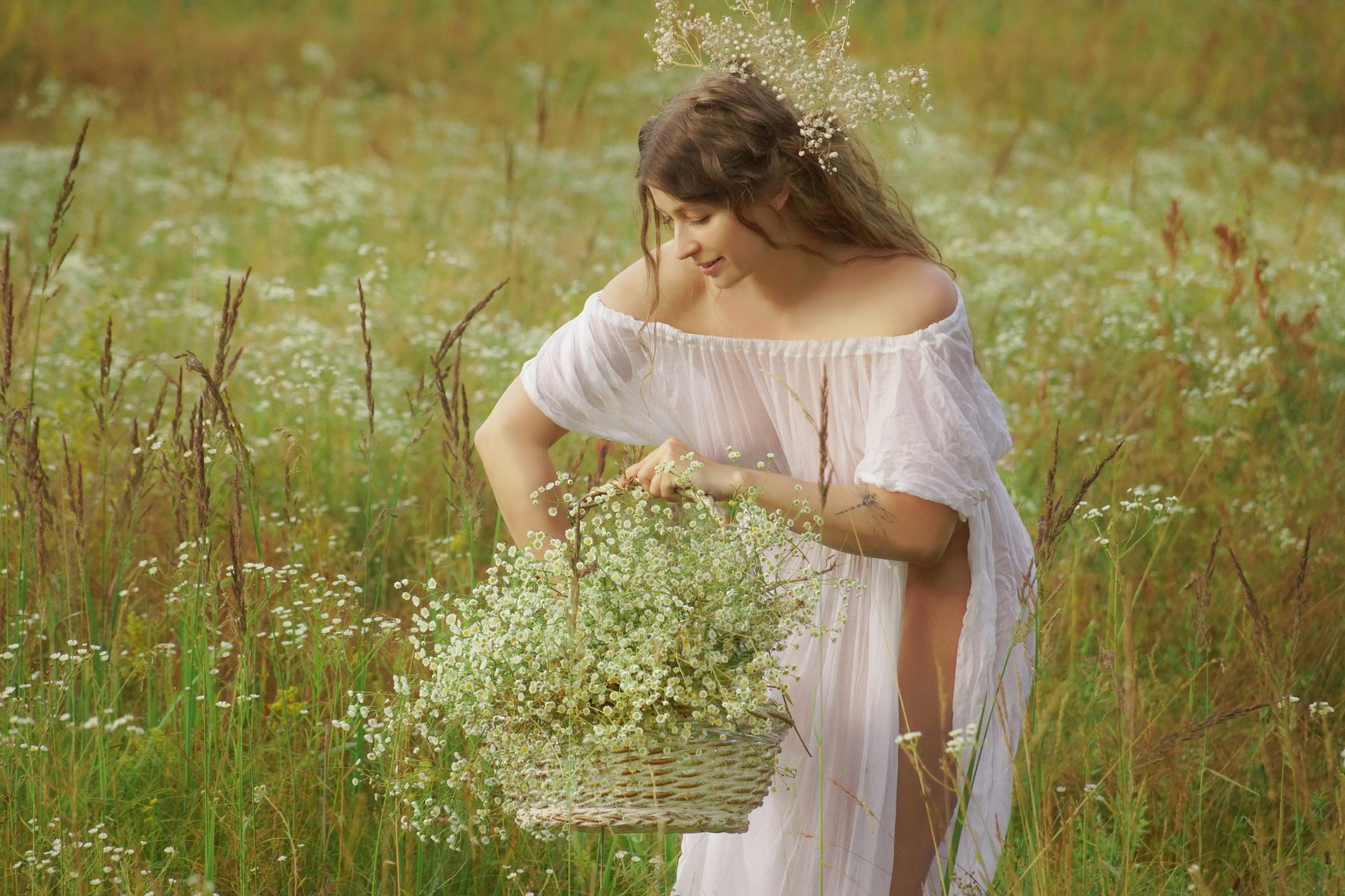
We love the “just picked from a meadow” look. It is one of our favorite styles to design — loose, natural, textured arrangements with seasonal colors that feel like someone wandered through a wildflower field with impeccable taste and a really good bucket.
We can build that look with flowers that are actually conditioned for vase life: ranunculus in sunset shades, chamomile for that wildflower scatter, stock and snapdragons for height, seasonal greenery like eucalyptus or Italian ruscus, and whatever is freshest from our growers that week. The result captures the spirit of a wildflower hillside and lasts on your kitchen table for a week or more.
Browse our arrangements, plants, and gifts. Same-day delivery to San Carlos, Belmont, Redwood City, San Mateo, Menlo Park, and beyond. 🌺