
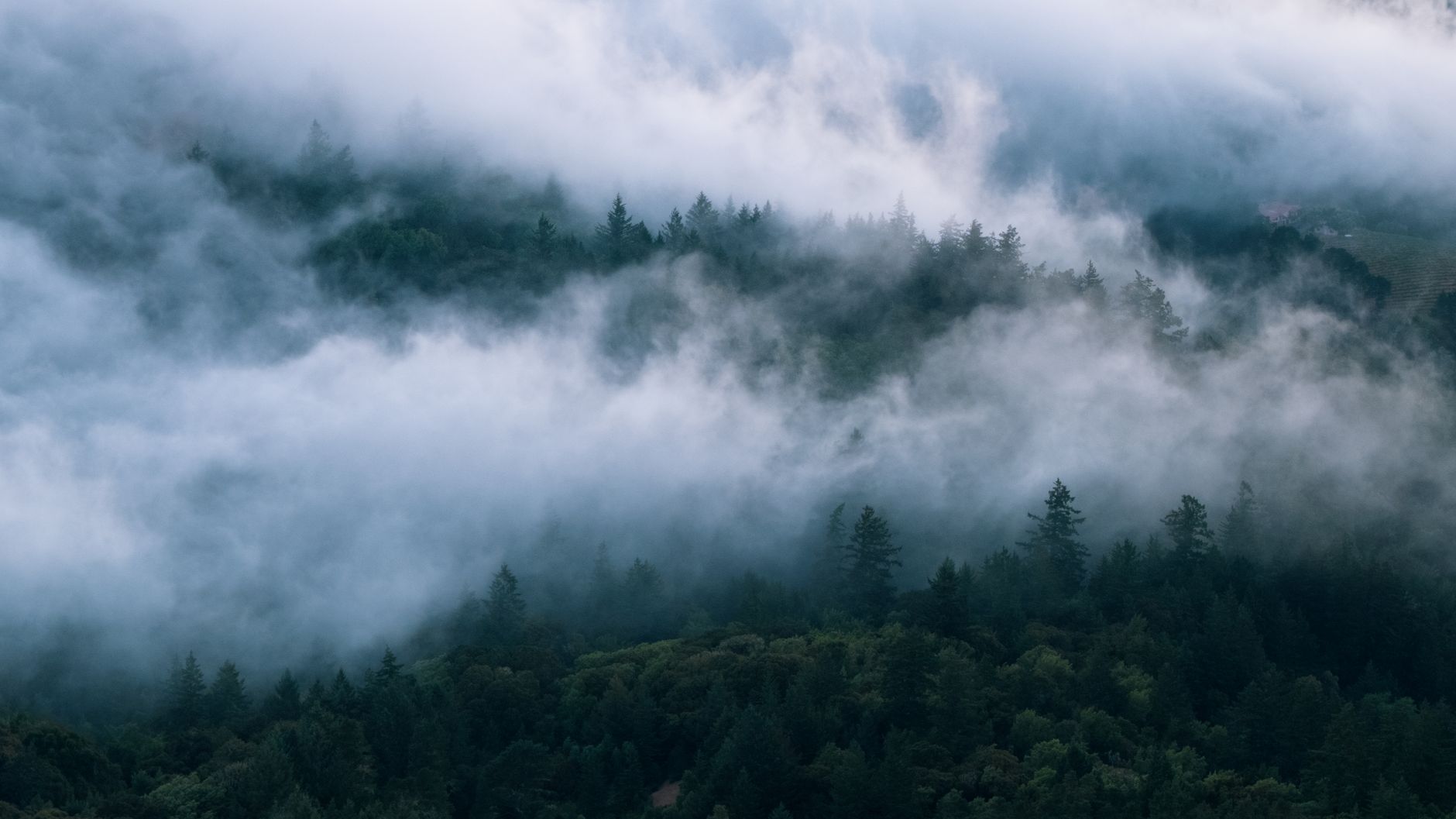
It is the second week of July. Somewhere inland, it is 98 degrees and the lawns are going crispy. And here on the Peninsula, you walked out this morning into a cool gray blanket, checked the sky, and maybe sighed a little. The fog is back. Again. It came in over the hills last night, sat on San Carlos until mid-morning, and it will do the exact same thing tomorrow.
Everyone complains about it. The visitors especially. “Isn’t this supposed to be California?” And we get it — a gray July morning is not what the postcards promised. But we are going to make a case that almost nobody makes, and we are going to make it as the people who work with fresh flowers every single day: the summer fog is the best thing that ever happened to your flowers, your garden, and this entire stretch of coast.
The marine layer is not the Peninsula’s weather problem. It is the Peninsula’s secret weapon. Here is why.
🌤️ First, What the Fog Actually Is
The gray that pours over the hills most summer afternoons has a name: the marine layer. It forms when warm summer air sits on top of the cold Pacific, and the cold ocean chills the air right above the water into a low blanket of cloud. Then the hot Central Valley inland does something useful — as it heats up, it pulls air westward like a vacuum, and that suction drags the ocean fog right through the Golden Gate, over the coastal hills, and across the Peninsula.
That is why it is worst in July and August, exactly when the inland heat is strongest. The hotter it gets in Sacramento, the harder the fog gets pulled over San Carlos. San Franciscans famously named their fog “Karl,” but Karl does not stop at the county line — he spills down the whole Peninsula, thicker some mornings than others, burning off by noon on a good day and lingering all afternoon on a gray one.
And every degree it drops is a gift.
🌷 Why Flowers Love the Cool Gray
Here is the thing about cut flowers, and about growing flowers, that most people never think about: heat is the enemy, and cool is the friend. Everything we do to keep flowers alive longer — refrigeration, cool water, keeping them out of direct sun — the fog does for free, on a regional scale, every single day.
- Flowers last dramatically longer in the cool. The single biggest factor in how long a bloom lives is temperature. A bouquet on a 95-degree kitchen counter is fading by the hour; the same bouquet in a fog-cooled 68-degree Peninsula living room can hold for a week or more. Our whole region runs like a gentle walk-in cooler in July. Your flowers get the benefit whether you think about it or not.
- Blooms open slower and more perfectly. Heat forces flowers open too fast — they blow past their peak in a day. Cool, humid air lets them unfurl gradually, holding that just-right stage far longer. Fog is basically slow-motion for flowers.
- The humidity keeps petals from crisping. Dry inland heat wicks moisture straight out of petals and leaves. The marine layer keeps the air damp, so hydrangeas do not wilt by 2 p.m. and roses do not brown at the edges.
If you have ever wondered why your grocery-store bouquet somehow lasts longer here than it did when you lived somewhere hot, now you know. It is not the flowers. It is the fog. For everything you can actually control, our full guide to keeping cut flowers fresh covers the water, trimming, and placement tricks that stack right on top of the head start the climate already gives you.
🌼 The Blooms That Were Built for This
Some flowers merely tolerate the cool gray. Others were made for it — and they are the ones that look absurdly good on the Peninsula all summer:
- Hydrangeas. The undisputed champion of the foggy coast. Hydrangeas are thirsty, heat-hating, humidity-loving flowers, which makes the Peninsula summer their personal paradise. The mophead hydrangeas exploding out of San Carlos and Belmont front yards right now are the size of dinner plates precisely because of the marine layer. We wrote a whole deep dive on hydrangeas — and every quirk in it is happier in fog.
- Roses. Cool nights are why Peninsula garden roses hold their color and scent so well. Heat bleaches roses and speeds them past their prime; the fog lets them build deeper color and last longer on the stem.
- Sweet peas, ranunculus, and anemones. These cool-season darlings sulk and die the instant it gets hot inland — but along the fog belt, their season stretches gloriously long.
- Dahlias. The coast side loves them. The cool, damp air is a big part of why the dahlia became such a Bay Area obsession in the first place.
- Ferns and foliage. All that shade-loving green that makes an arrangement feel finished thrives in the damp. The fog belt is a foliage paradise.
This is not a coincidence. It is climate. And it is the same reason the coast grows what it grows.
🌊 Why the Coast Side Is a Flower Powerhouse
Drive twenty minutes west over Highway 92 and you reach Half Moon Bay, and suddenly you are in one of the most productive flower-growing regions in the country. That is not an accident either — it is the marine layer, concentrated. The coast side gets the fog thickest and most reliably, which creates cool, humid, stable growing conditions that greenhouses spend fortunes trying to imitate. The growers out there get it from the sky.
It is why the Half Moon Bay flower trail is worth the short drive, why so much of what we source is grown right here on the Peninsula and the coast rather than flown in, and why the fog you are grumbling about this morning is directly responsible for some of the best flowers in California. The gray is the growing season. (We now also deliver flowers directly to Half Moon Bay, if you would rather send some of that coastside bloom than drive out for it.)
🏡 How to Work With the Fog, Not Against It
Since the marine layer is here to stay until September, you may as well use it. A few florist notes for foggy-season flowers:
- Your flowers will outlast the forecast. Because our homes stay cool, cut flowers genuinely last longer here in summer than almost anywhere else. Buy the bigger bunch. It will earn its keep.
- Lean into the moody palette. Fog light is soft, flat, and gorgeous — it makes deep blues, dusty purples, silvery greens, and creamy whites glow in a way harsh sun never will. An arrangement built for gray-day light looks like a painting on your table.
- Outdoor arrangements actually survive here. On a Peninsula patio, flowers are not baking in relentless sun the way they would inland — which is exactly the trick behind our guide to outdoor arrangements that handle the fog burn-off.
- Plant for the climate you actually have. The nurseries know it — the fog-belt garden is a specific, wonderful thing. When you are ready to plant, the folks at the best local nurseries and garden centers can point you straight at the hydrangeas, ferns, and cool-season bloomers that were made for this.
💭 The Bottom Line
The fog is not the Peninsula’s consolation prize for not being San Diego. It is the whole reason this place grows what it grows, the reason your flowers last, the reason the hydrangeas are the size of your head, and the reason a gray July morning is quietly one of the best gardening climates in America. Karl is not ruining your summer. Karl is the best florist’s assistant we never hired.
So the next time the marine layer swallows San Carlos before lunch, take a breath of that cool, damp, ocean-scented air and think about what it is doing for every living green thing around you. Then come see us — we are on Laurel Street, and we will build you something that looks even better in fog light than it would in the sun. If you want to see it for yourself, take a slow walk and notice what is blooming on the Peninsula right now — it is all thriving on the gray.