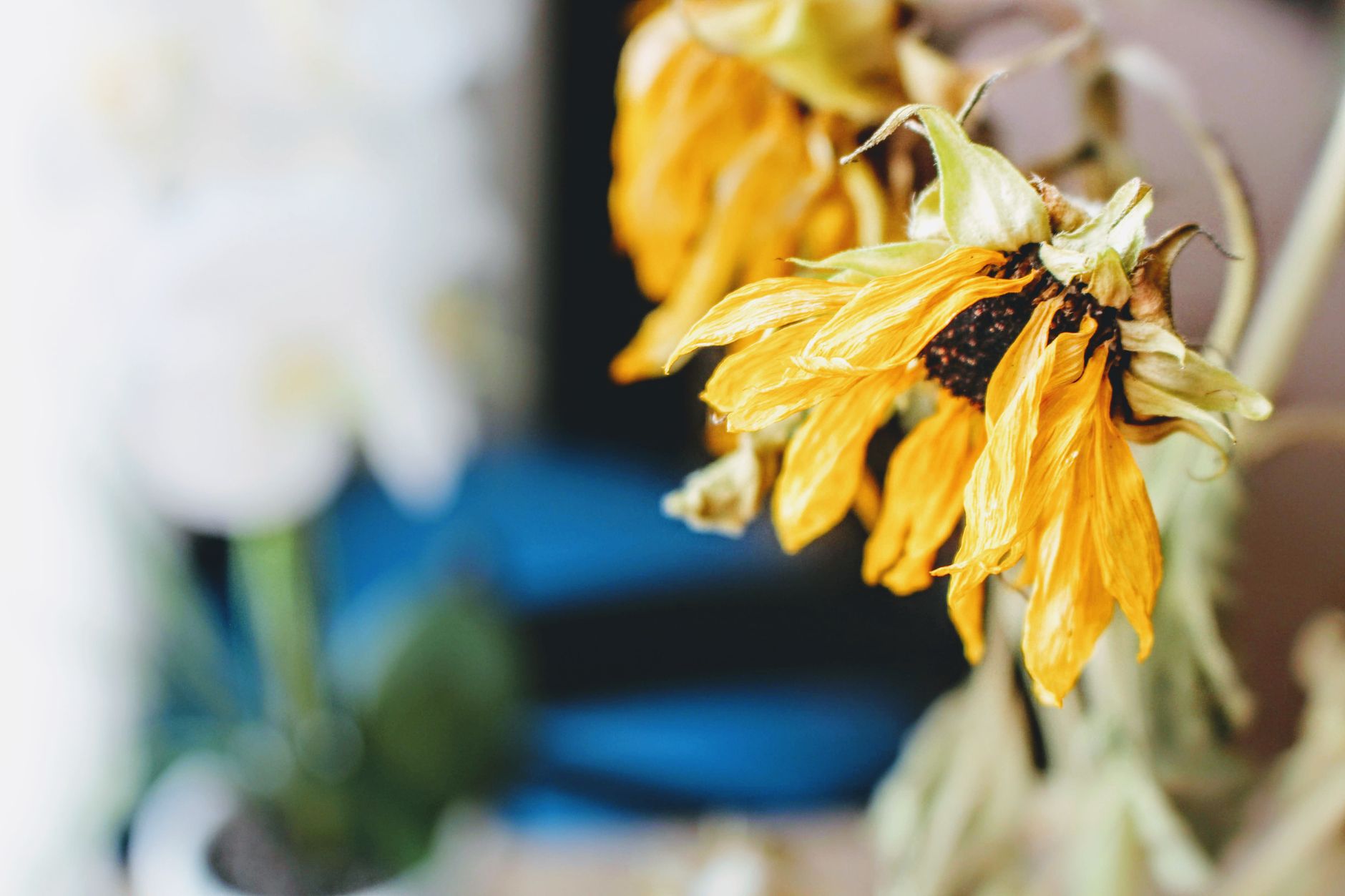
Let us start with a confession that does not require a therapist. You had a plant. The plant is now dead. You feel some combination of guilt, confusion, mild embarrassment, and the uneasy suspicion that you have been personally blacklisted by the entire botanical kingdom.
Welcome to the club. It is enormous. Membership is free. There are no meetings because everyone is too busy pretending their last succulent did not die under conditions that were supposed to be “basically impossible to mess up.”
At sancarlosflorist.com, we talk to plant owners, plant gifters, and reformed plant killers on the Peninsula all the time. The good news is that most houseplant deaths are caused by a small number of very common mistakes, almost all of which are fixable. The better news is that the Peninsula climate — San Carlos, San Mateo, Redwood City, Belmont, Burlingame, Foster City — is actually friendlier to houseplants than a lot of people realize, once you stop doing the three or four things that reliably murder them.
So here is an honest guide to what probably went wrong, why you should not give up, and what to try next.
💧 Reason #1: You Overwatered It (Almost Certainly)
If we had to guess the single most common cause of houseplant death on the Peninsula, across the country, and possibly across all of human civilization, it would be overwatering. Not drought. Not neglect. Too much love, expressed as water.
Overwatering kills plants because most houseplants do not want their roots sitting in soggy soil. Wet roots suffocate, develop root rot, and eventually give the plant the same chance of survival as a pair of leather shoes left at the bottom of a swimming pool.
How to tell you overwatered:
- the leaves turned yellow and soft
- the soil smelled musty or swampy
- the roots, when you finally looked, were brown and mushy instead of white or tan
- you watered on a schedule instead of checking whether the soil was actually dry
The fix for next time is simple but requires a mindset shift: water when the soil is dry, not when the calendar says so. Stick your finger an inch into the soil. If it is still damp, walk away. The plant does not need more water. It needs you to trust its judgment for once.
☀️ Reason #2: The Light Was Wrong
This one is sneaky because light levels are hard to eyeball. A room that feels bright to a human can still be dim to a plant. A window that seems sunny might face north or be blocked by the building next door. And a lot of Peninsula homes, condos, and apartments have lighting situations that vary wildly from room to room.
The Peninsula climate is moderate, often overcast in summer mornings, and generally milder than people expect. That is actually great for many houseplants. But indoors, light conditions still matter a lot.
Common light mistakes:
- putting a sun-loving plant in a dim corner and hoping for the best
- putting a shade-tolerant plant in harsh direct afternoon sun until it got sunburned
- assuming all windows are equivalent — they are very much not
- forgetting that seasons change the light — a spot that worked in July might be dim in December
For next time: match the plant to the actual light in the spot where it will live. Not the light you wish the spot had. Not the light the spot had in your old apartment. The light that is actually there right now, realistically, on a normal Tuesday.
🏜️ Reason #3: The Humidity Was Too Low (or the Spot Was Too Drafty)
A lot of popular houseplants are tropical in origin, which means they like some humidity. San Carlos and the mid-Peninsula generally have decent outdoor humidity, especially in the coastal-influenced mornings, but indoor air can be drier than expected — particularly in heated rooms during cooler months or in newer construction with strong climate control.
Signs your plant was humidity-starved:
- brown, crispy leaf tips
- curling leaves
- generally sad, papery appearance despite adequate watering
Drafts from heater vents, AC units, or frequently opened exterior doors can also dry plants out faster than the soil alone would suggest. If the plant was sitting directly in the path of a forced-air vent, it may have been living in its own personal desert without your knowledge.
🚽 Reason #4: The Pot Had No Drainage
This one is surprisingly common because decorative pots are not always designed with plant survival in mind. They are designed to look good on a shelf, which is a different engineering priority entirely.
If the pot had no drainage hole at the bottom, water had nowhere to go. The roots sat in standing water. Root rot set in. The plant died. You blamed yourself, but actually it was partly a design flaw.
The fix: always use a pot with drainage, or use a nursery pot inside the decorative one and lift the inner pot out to drain after watering. This is not optional. This is structural engineering for plants.
🧊 Reason #5: You Forgot About It Entirely
The opposite of overwatering is the long, quiet fade of neglect. Some plants die not from too much attention but from too little. Life gets busy. Work gets chaotic. The plant in the corner of the guest room slowly dehydrates over weeks while you deal with everything else in your life, which is, admittedly, a lot.
This is especially common when:
- the plant is in a room you do not visit daily
- you travel frequently
- you received the plant as a gift and did not have a care plan
- you started strong and then gradually lost enthusiasm, like a gym membership but with soil
The fix for next time is honest self-assessment. If you know you are a low-attention plant person, choose a plant that matches that lifestyle. There are excellent options that tolerate irregular watering. More on those below.
🔥 Reason #6: You Repotted It at the Wrong Time (or Too Aggressively)
Repotting stress is real. Moving a plant into a much larger pot too soon, disturbing the roots too roughly, or repotting during winter dormancy can all shock the plant and set it back hard.
The general rule: repot only when the plant is clearly outgrowing its current home, go up only one pot size, and do it during the growing season (spring or early summer, not mid-winter).
🤯 The Guilt Spiral Is Real — and It Is Unnecessary
A lot of people kill one plant and then decide they are constitutionally incapable of keeping anything alive. This is not true. Killing a plant is not a permanent character diagnosis. It is a data point.
Almost every experienced plant owner has killed multiple plants along the way. The ones who seem effortlessly successful are usually the ones who have already made all the mistakes, adjusted, and found the plants that work for their specific living situation.
So if your fiddle-leaf fig died in a dark hallway, that does not mean you cannot keep plants. It means a fiddle-leaf fig was the wrong plant for a dark hallway. Which, honestly, it was.
🪴 OK, So What Should You Try Next?
Glad you asked. Here are plants with proven track records of surviving real life on the Peninsula — in San Carlos condos, San Mateo rentals, Redwood City bungalows, and everywhere else people have imperfect light, imperfect watering habits, and imperfect amounts of free time:
Pothos (Epipremnum aureum)
- tolerates low to bright indirect light
- tells you when it needs water by drooping slightly, then perks right back up
- basically wants to live and will do so with minimal intervention
- grows enthusiastically in trailing vines that make any shelf look better
Snake Plant (Sansevieria / Dracaena trifasciata)
- tolerates low light, bright light, inconsistent watering, and a startling amount of neglect
- prefers to dry out between waterings — perfect for forgetful owners
- architectural and clean-looking without requiring effort
- essentially the plant equivalent of a reliable friend who never makes drama
ZZ Plant (Zamioculcas zamiifolia)
- thrives in low to moderate light
- stores water in its rhizomes, meaning it can go weeks without watering
- glossy, modern, handsome
- will survive conditions that would make other plants write a formal complaint
Spider Plant (Chlorophytum comosum)
- tolerant, cheerful, and enthusiastic about life
- produces baby plantlets you can share or repot
- works in a wide range of light conditions
- forgives inconsistent watering better than most
Philodendron (various species)
- heartleaf philodendron is especially easygoing
- happy in medium indirect light, tolerates lower light
- trails beautifully
- communicates clearly when thirsty without being melodramatic
Succulents — but only if you have bright light
- great for sunny windowsills
- prefer to be underwatered rather than overwatered
- do not work well in dim rooms despite their reputation as “easy”
- if your previous succulent died in a dark bathroom, it was the location, not you
🌊 Why the Peninsula Is Actually Great for Houseplants
The mid-Peninsula climate is moderate, rarely freezing, rarely blistering, and generally the kind of environment where tropical and subtropical plants can do well indoors year-round. Compared to climates with extreme winter heating or extreme summer cooling, the Peninsula gives houseplants a surprisingly stable environment — as long as you handle the basics of light, water, and drainage.
In San Carlos, San Mateo, and Redwood City specifically:
- east-facing windows tend to give gentle morning light that many houseplants love
- south-facing windows are great for succulents and sun-lovers
- north-facing rooms work well for pothos, snake plants, and ZZ plants
- fog-belt influence means outdoor humidity can help buffer indoor dryness
Translation: the Peninsula is not the problem. The Peninsula is actually a pretty good place to keep houseplants alive, once the common mistakes are resolved.
🎁 What About Sending Someone a Plant as a Gift?
Plants make terrific gifts — for birthdays, housewarmings, thank-yous, sympathy, congratulations, and just-because moments. But the best plant gifts are the ones that match the recipient’s actual lifestyle, not the ones that look best on Instagram for forty-five minutes before beginning their slow decline.
If you are sending a plant to someone on the Peninsula and you are not sure about their plant-care confidence level, lean toward the forgiving end of the spectrum. A pothos, snake plant, or ZZ plant is a much kinder gift than a high-maintenance orchid or a temperamental fern for someone who is still recovering from their last botanical failure.
That said, if the recipient is an experienced plant person, feel free to go interesting. They will appreciate the thoughtfulness.
🛑 Plants You Might Want to Avoid as a Beginner (for Now)
Not forever. Just until you have rebuilt your confidence with something more forgiving.
- fiddle-leaf fig — beautiful but famously particular about light, water, drafts, and the general emotional atmosphere of the room
- calathea — gorgeous leaves, but demands consistent humidity and gets visibly offended by tap water
- maidenhair fern — a stunning plant that will die if you look at it with slightly incorrect intentions
- string of pearls — trendy, photogenic, and aggressively fragile in practice
These are all wonderful plants. They are just not starter plants. Asking a recovering plant killer to keep a calathea alive is like asking someone who just burned toast to attempt a soufflé. The skills will come. The timing is not yet right.
✨ The Bottom Line
If your last houseplant died, you are not cursed. You are not botanically hopeless. You are a normal person who made one or two very common mistakes — usually overwatering, wrong light, no drainage, or choosing a plant that needed more care than your schedule could provide.
The Peninsula is actually an excellent place to grow houseplants. The climate is mild. The light options are decent. The selection of forgiving, beautiful, low-maintenance plants is genuinely impressive. All you need is a slightly better match between the plant, the spot, and your honest level of attention.
At sancarlosflorist.com, we are big believers in second chances — for people and for plant ambitions. If your last one did not make it, the right next one is out there. It probably just needs a pot with drainage, a decent window, and someone willing to check the soil before reaching for the watering can. 🌸