
Every December the same question comes up at the counter: “How long is this going to last?” It is a fair thing to ask about a gift. A Christmas present gets unwrapped on one day and then lives in someone’s kitchen or living room for the weeks after, so the useful question is not only “Is it pretty?” but “How long will it look good?”
The answer ranges from a week to well over a century, depending on what you choose. This guide ranks twelve popular Christmas gift options from longest-lasting to shortest, with a realistic lasting range, what each is best for, and one care tip. Where we give a range, it is the conservative one, and lasting times depend on the variety, the freshness of the stems and the room.
🏆 1. Dried Arrangements: Seasons, Not Days
How long: there is no vase-life clock. Properly dried material is simply done drying. Foliage preserved with glycerin, such as magnolia leaves, makes wreaths that stay beautiful for many years.
Best for: the person who wants a gift that needs nothing at all, and anyone who likes a calm, neutral look for winter shelves and mantels.
Care tip: choose your colors with drying in mind. Blue and yellow flowers keep their color when air-dried, pink ones fade, and roses and peonies shrink somewhat. Statice, baby’s breath, celosia and heather are classic flowers that dry well, and they dry extremely stiff, so handle them gently. If you are weighing dried against fresh for a particular person, our guide on whether dried and preserved bouquets are worth it goes deeper.
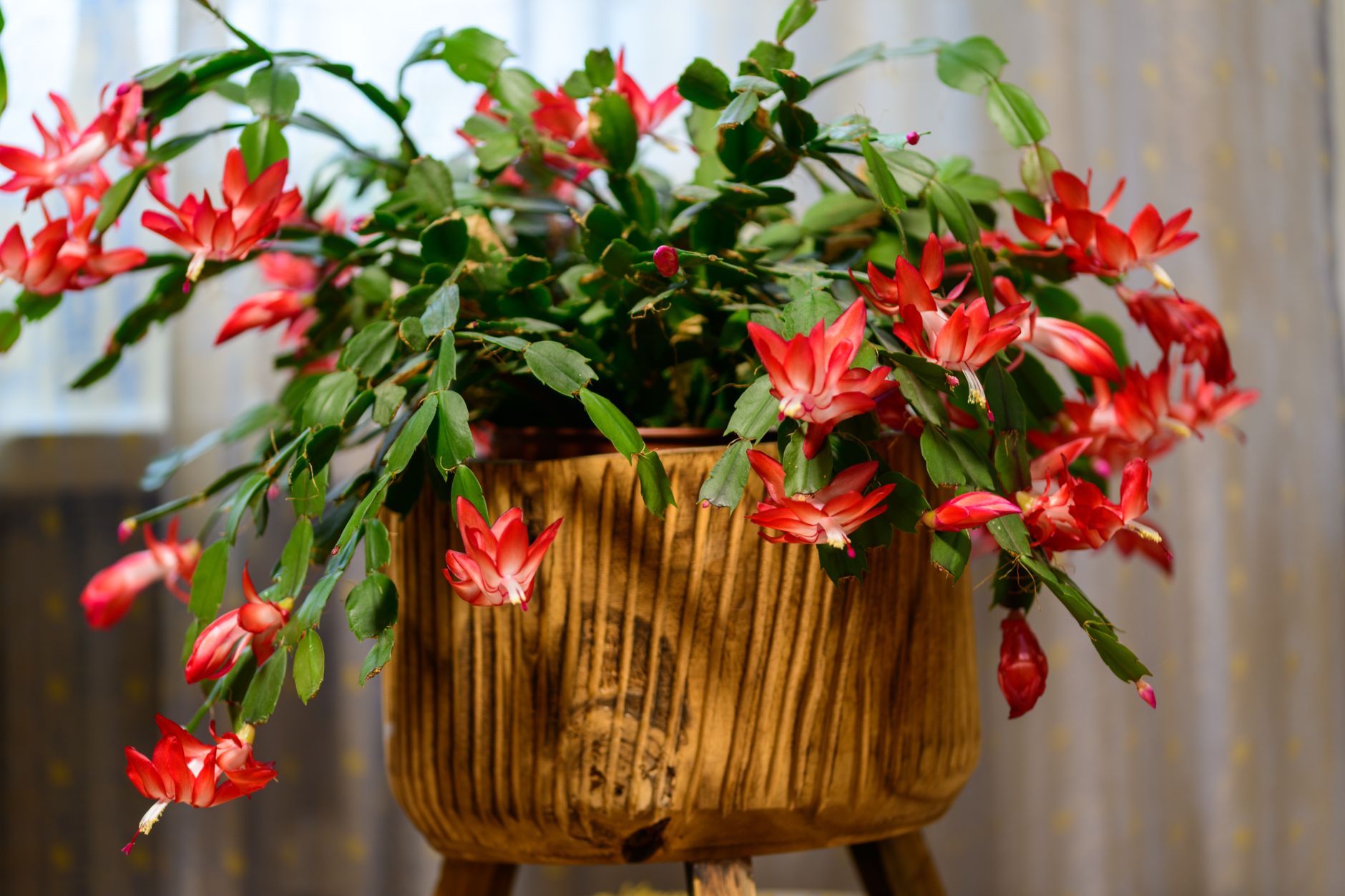
🌵 2. Christmas Cactus: Decades of Holidays
How long: one plant can live for over a hundred years, so a well-cared-for specimen can brighten a home for decades. The flowers, in shades of red, pink or white, typically bloom in November and December.
Best for: the person who wants a gift that can become a family heirloom, and anyone who would rather not repot or fuss.
Care tip: give it bright, indirect light, because it cannot tolerate direct sun, and water about every one to two weeks or when the soil is nearly dry. Buds can drop after sudden changes in temperature, light or water, so pick a spot and leave the plant there. For blooms next year, it needs uninterrupted nights of at least 13 hours from mid-September until mid-November, so a plant that does not flower is usually getting artificial light at night.
🪴 3. Succulents: Slow, Steady and Forgiving
How long: as long as the plant stays out of the two classic traps, which are too much water and the wrong light. Succulents store water in their fleshy leaves and stems, so they do best with infrequent watering as the soil approaches dryness, and their roots and stems rot easily when overwatered.
Best for: the traveler, the office desk and the friend who says they kill every plant.
Care tip: succulents do not wilt the way other plants do, so watch for leaves that start to look desiccated. Too little sun makes some plants grow lanky, and too much can leave others looking parched and sunburnt. Use a succulent soil mix with good drainage, and do not put a layer of gravel at the bottom of a pot, because that makes drainage worse.
The Peninsula bonus: San Carlos winters are mild, so many tough succulents can sit on a patio through much of the season. University of California Master Gardeners advise protecting any succulent whose frost tolerance you do not know whenever temperatures may dip below freezing, so bring the pot in on a clear, cold night. If a plant gift never seems to survive at your house, our local post on why a houseplant died and what to try next may help.
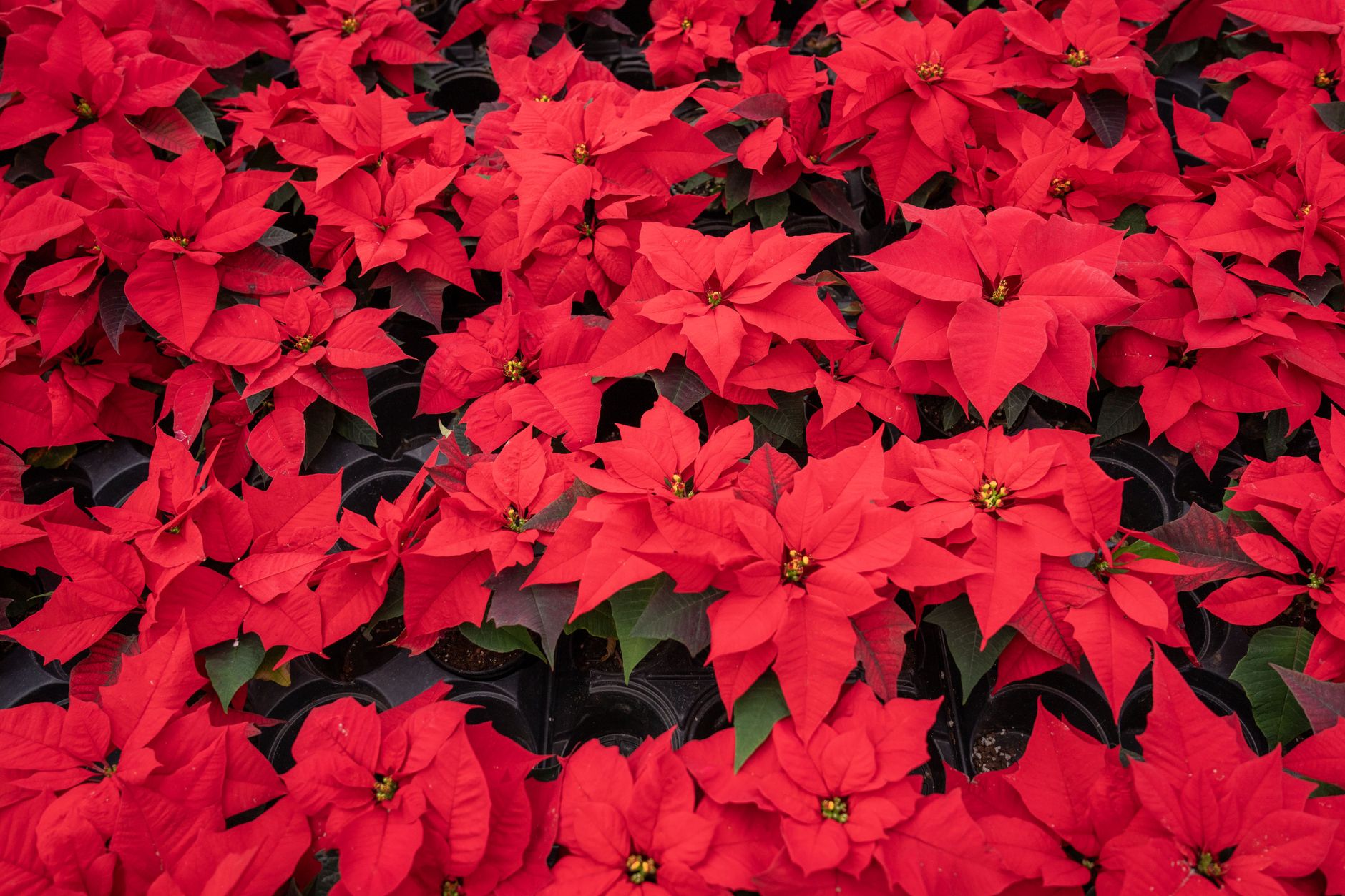
🎄 4. Poinsettia: Eight Weeks, Often Into Spring
How long: a carefully chosen poinsettia should stay attractive for a minimum of eight weeks, and often into spring when its temperature, light and moisture needs are met. Newer cultivars have excellent keeping quality and stronger stems than older ones.
Best for: the classic Christmas look, hosts, offices and anyone who wants color without a vase.
Care tip: keep it between 60 and 70°F, away from cold drafts, cold window glass and heating ducts, and give it at least six to eight hours of natural or artificial light a day. Water thoroughly when the top of the mix starts to feel dry, and if the pot is wrapped in decorative foil, punch a hole in the bottom so the excess water can drain. A chill can drop the leaves, so do not carry it unwrapped from the car to the house when the air outside is below 50°F. Poinsettias are even grown in the landscape in mild climates such as California.
🌸 5. Phalaenopsis Orchid: A Month or More of Blooms
How long: the flowers can last for at least a month, longer with proper care, and a flower spike can form side branches that extend the display. The plant itself can bloom again.
Best for: a polished, low-maintenance gift for a mentor, a client, a new neighbor or anyone who likes a modern look.
Care tip: water no more than once a week by letting warm water run through the bark and roots, drain the pot fully, and set it back on a saucer. The roots turn from silvery or white to pale green when you have watered enough. Give it indirect light from an east or west window, and support a heavy flower stalk with a thin stake. Misting is rarely enough moisture indoors, so skip it and water properly instead.
🌷 6. Amaryllis and Paperwhites: Potted Bulbs That Keep Unfolding
How long: these are gifts of anticipation. A Dutch-grown amaryllis bulb typically blooms 6 to 8 weeks after potting, and a South African-grown bulb blooms 3 to 5 weeks after potting. A waxed amaryllis bulb sends up flower stalks in 4 to 6 weeks and the blooms last for up to three weeks.
Best for: gardeners, kids who like to watch something grow, and anyone who enjoys a gift that is still doing something in January.
Care tip: when an amaryllis begins to bloom, move it to a slightly cooler spot, 65 to 70°F, out of direct sun, and the flowers last longer. Moving paperwhites out of direct sunlight once they flower helps the blooms last longer. Turn the pot every few days so the stalks grow straight, and stake paperwhites if they flop. After an amaryllis blooms, cut the stalk one to two inches above the bulb, keep the leaves, and the bulb can bloom again next season.
Timing note: a bulb potted around now blooms six to eight weeks later, which lands between the week before Christmas and the first days of January. If the gift needs to be in flower on December 25, look for a plant that is already growing, and use a bulb kit as a gift of a project.
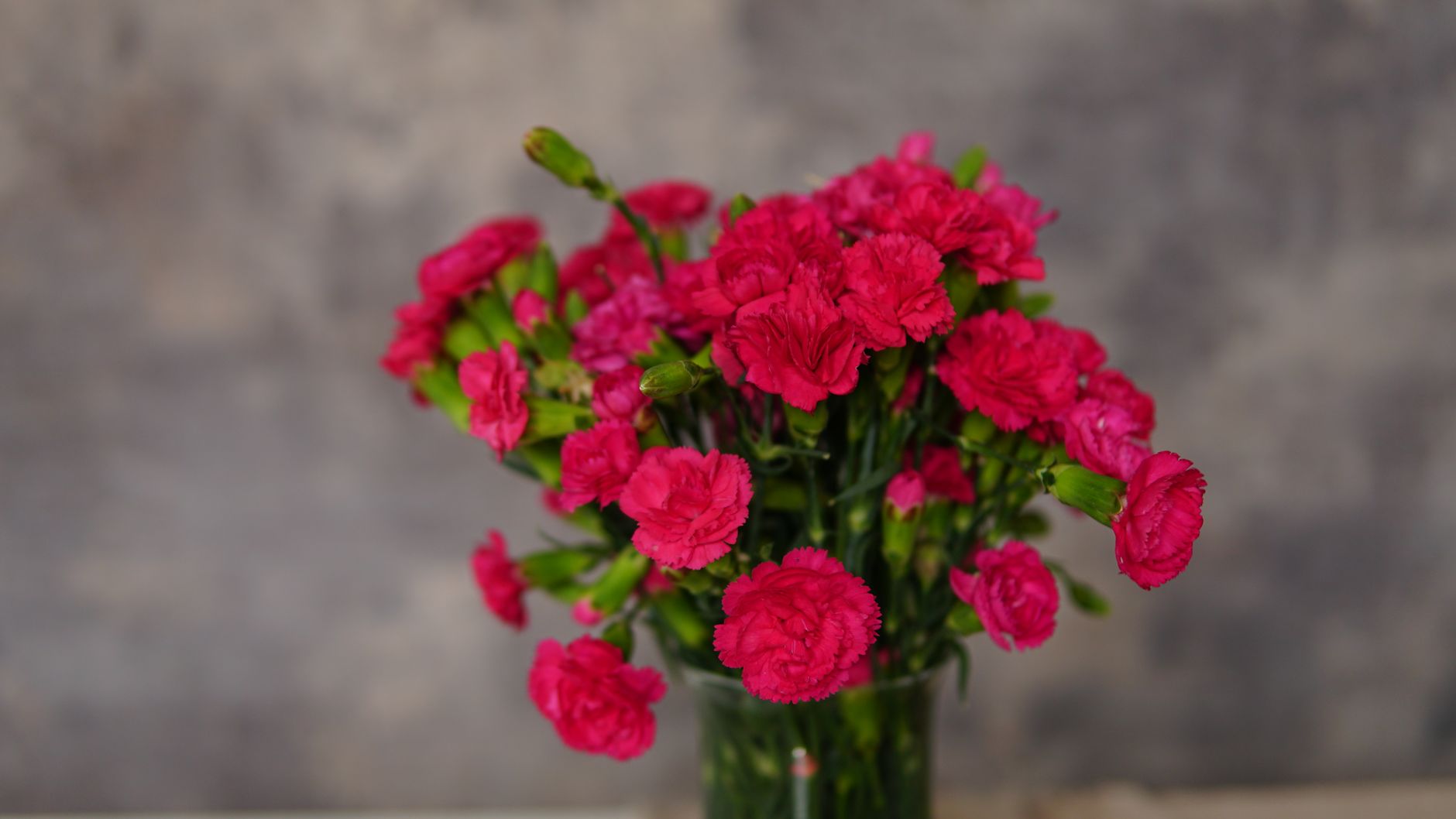
💐 7. Carnations: The Longest-Lasting Cut Flower
How long: the fragrant cut flowers can live up to three weeks, which makes carnations one of the longest-lasting flowers in a vase.
Best for: a bouquet that has to stay fresh through a long holiday stretch, and anyone who wants fragrance and color.
Care tip: re-cut the stems one to two inches with a sharp knife or clippers that do not crush them, and put them straight into a clean vase with flower food.
🌼 8. Chrysanthemums: Tough and Easygoing
How long: with good care, fresh flowers can last one to two weeks and sometimes longer, and chrysanthemums are one of the flowers noted for a long vase life, along with carnations, alstroemeria, sunflowers and zinnias.
Best for: a sturdy, cheerful gift for someone who will not baby it, and mixed bouquets that need an anchor flower.
Care tip: chrysanthemums are also sold as blooming plants. If you give one, it likes water about every two days, even at the risk of overwatering, because wilting shortens its life. It needs plenty of bright, indirect light, and direct sunlight can burn the flowers.
🌺 9. Alstroemeria: Two Weeks of Quiet Color
How long: about 7 to 14 days. The main stems branch into short side stems, each carrying two to four flower buds, so one stem brings several blooms.
Best for: a pretty, dependable bouquet for a host or a coworker.
Care tip: re-cut the stems by one to two inches and use flower food.
🪷 10. Lilies: One to Two Weeks of Slow Opening
How long: most lilies live one to two weeks, because the blooms on a stem open at different times.
Best for: big, dramatic, fragrant impact in a home with no cats (see the pet-safety section below).
Care tip: remove the stamens, the pollen-tipped parts in the center, so the pollen does not stain the petals or anyone’s clothing.
🌹 11. Roses: Beautiful, but Four to Seven Days
How long: typically four to seven days, depending on the variety. There are almost 120 rose varieties available, and their lasting power differs.
Best for: romance and big gestures, when the point is the moment more than the month.
Care tip: a rose is a flower where every care step matters. Start with a clean vase, add flower food, and re-cut the stems by one to two inches. Do not strip the thorns off the whole stem; removing thorns damages the stem and creates a wound that gives microbes an entry point.
🌷 12. Tulips: Up to a Week
How long: the vase life is up to seven days, which puts tulips at the short end of this list alongside roses.
Best for: a bright, soft, spring-like gift for a party or a dinner, when you want the lift and the moment, not the staying power.
Care tip: keep tulips in a cool spot, 65 to 72°F, away from direct sunlight, and do not put them near a heating vent.
🧹 How to Make Any Gift Last Longer
These steps come from university extension and postharvest guidance, and they apply to nearly every cut flower on the list. Done well, they can mean a bouquet that lasts one to two weeks, or sometimes longer, depending on the varieties in the vase.
- Start with a clean vase. Wash it in hot, soapy water with a brush to remove any residue, then disinfect it by rinsing with a solution of 1 part household bleach to 9 parts water, and rinse it thoroughly before use. Bacteria are the main enemy of a bouquet.
- Strip the leaves below the waterline. Submerged foliage rots, clouds the water, makes it smell and shortens the life of the flowers. Keep the leaves above the water, because they are part of how the stem drinks.
- Re-cut the stems. Use sharp, clean clippers or a knife, not dull scissors that crush the stem, and take off about an inch at an angle. If you can, make the cut under water or running tap water, then get the stems into the vase right away.
- Use the flower food. A commercial floral preservative acidifies the water, supplies some carbohydrates and deters bacteria. It works better than any home recipe, and home remedies such as aspirin, bleach, lemon-lime soda, pennies, vinegar and sugar do not work as well, and some can shorten vase life.
- Check the water every day. Top it up as needed, and change it completely every few days or whenever it turns cloudy or smelly, adding fresh flower food, rinsing the stems and re-cutting them each time.
- Keep them cool. A spot at 65 to 72°F, out of direct sun and away from vents, fireplaces, appliances, ceiling fans and televisions, makes flowers last much longer. Overnight, move the vase to a cool room or even the refrigerator, if there is space.
- Keep them away from the fruit bowl. Ripening fruit gives off ethylene gas, which ages flowers more quickly.
🎁 Which Gift for Which Person
- The person who forgets to water anything: a succulent, a Christmas cactus or a dried arrangement.
- The host of a holiday dinner: a poinsettia, a phalaenopsis orchid or a fresh bouquet of carnations and chrysanthemums that will look good through the week.
- The gardener: an amaryllis or paperwhite kit, or a Christmas cactus that can be passed along as cuttings.
- The coworker with a small desk: a succulent, a mini poinsettia or a small bouquet.
- The romantic: roses, in a clean vase, with flower food.
- The friend who lives with a cat: skip the lilies, and see the pet-safety section below.
For more ideas, our Christmas gift guide for flower and plant lovers has twenty of them, and you can browse live plants and gardens as well as bouquets and arrangements before you decide.
🐾 Pet Safety: Check Before You Choose
Many holiday gifts end up on a coffee table that a cat or dog can reach, so it is worth checking a few of the most common ones before you buy.
- Lilies and cats. All parts of the Easter lily are toxic for cats, including any amount of leaf, stem, flower, pollen, vase water or root. Ingestion causes vomiting, abdominal pain, dehydration and acute kidney failure, and early treatment is vital. Lilies do not pose a problem for people or for other pets. If a cat lives in the home, leave lilies out of the bouquet and ask us about the other flowers on this list.
- Amaryllis. It is listed as toxic to dogs, cats and horses, and the bulb is the most poisonous part.
- Paperwhites. Narcissus, also called Paper White, is listed as toxic to dogs, cats and horses; the bulbs are the most poisonous part, and large ingestions can cause convulsions, tremors and heart rhythm problems.
- Poinsettias. They are only mildly toxic to cats and dogs, and the poisoning is greatly exaggerated. The milky sap can cause vomiting, drooling or, rarely, diarrhea, and skin irritation such as redness, swelling and itchiness. The signs are generally self-limiting. Even so, keep the plant out of reach.
- Jade plant. This popular gift succulent is listed as toxic to dogs, cats and horses, and can cause vomiting, depression and incoordination. Check the species of any succulent before it goes on a low shelf.
If you suspect a pet has eaten a plant, call your veterinarian, the ASPCA Poison Control line at (888) 426-4435 or Pet Poison Helpline right away; a consultation fee may apply. Our shared guide to holiday flowers, greens and pet safety covers poinsettias, amaryllis, paperwhites and holly in more detail.
📅 A Short Timing Note for Christmas
Christmas falls on a Friday this year, December 25, and Thanksgiving is Thursday, November 26. Match the gift to the date you want it at its best:
- Want it blooming on Christmas Day? Choose a plant that is already in bloom, such as a poinsettia, an orchid or a Christmas cactus, which typically flowers in November and December.
- Want it to last through the New Year? Choose a long-lasting cut flower such as carnations or chrysanthemums, which can stay fresh one to three weeks, or a poinsettia, which stays attractive for at least eight weeks.
- Want a gift that is still new in January? A potted amaryllis or paperwhite bulb, or a dried arrangement that needs no care at all.
If you are headed out to see the lights, our Christmas 2026 night of holiday lights, trees and flowers post is worth a look.
❓ Quick Questions
What is the longest-lasting Christmas gift from a florist?
Dried arrangements have no vase-life clock at all, and a Christmas cactus can live for decades. Among fresh cut flowers, carnations last the longest, up to three weeks.
How long does a poinsettia last?
A carefully chosen poinsettia should stay attractive for a minimum of eight weeks, and often into spring if you keep it at 60 to 70°F, give it good light and water it when the top of the mix feels dry.
How long do cut Christmas flowers last in a vase?
Carnations can last up to three weeks, chrysanthemums and lilies one to two weeks, alstroemeria about 7 to 14 days, roses four to seven days and tulips up to seven days. A clean vase, fresh cuts, flower food and a cool spot help every one of them.
Can a gift plant stay outside on the Peninsula?
Winters here are mild, so tough succulents can often sit on a patio, but bring any tender plant in on a night that may dip below freezing.