
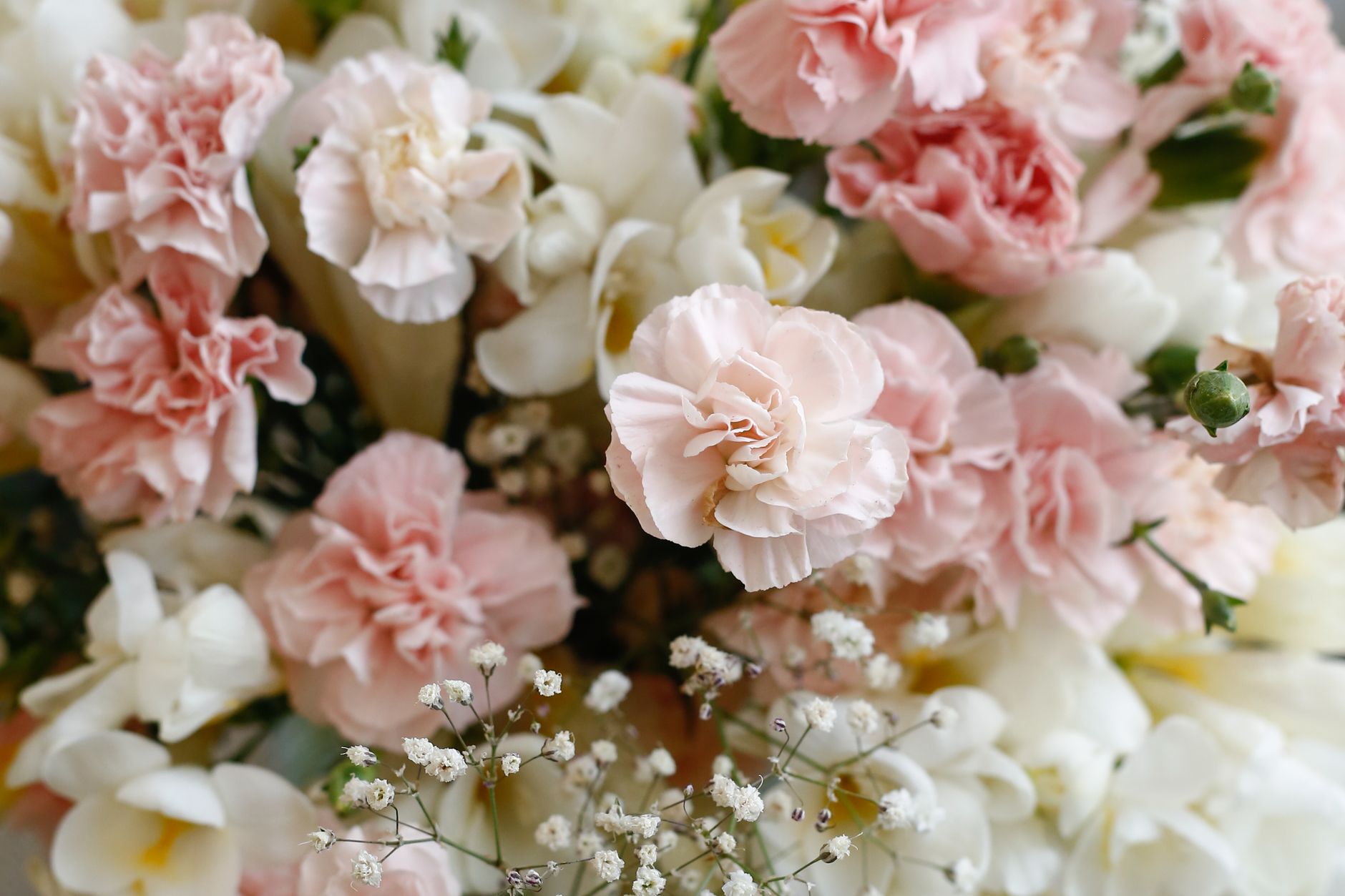
Not every flower is out here trying to smell amazing. Some are visual overachievers and aromatic minimalists. Some have almost no noticeable scent at all. And a few manage the impressive trick of looking gorgeous while smelling faintly like pepper, damp greenery, mushrooms, brassica, or a mystery that nobody asked for but everybody now has to discuss.
That is not a criticism, by the way. In floral design, fragrance is only one part of the story. Plenty of spectacular arrangement flowers are chosen for shape, color, movement, vase life, or texture rather than perfume. In some settings, that is actually ideal. Hospitals, offices, dinner tables, and tight indoor spaces often benefit from flowers that look glorious without flooding the air with scent.
If you want the sweeter side of this topic, we also have a companion piece on the top 10 most fragrant flowers you might find in arrangements. This article, however, is for the flowers that are more about appearance than aroma — and for the occasional bloom that smells, let us say, unexpectedly specific.
🌿 1. Chrysanthemums
Chrysanthemums are floral workhorses. They come in endless forms, colors, and sizes, and they are widely used in arrangements. But fragrance? Usually not the selling point. Some mums have a faint green or herbal smell, and some people notice a slightly sharp plant-like scent if they get close. Mostly, though, they are on the quiet end of the fragrance scale.
They are proof that a flower can be useful, long-lasting, and visually versatile without smelling like a perfume commercial.
🌸 2. Carnations
Carnations actually can have a light spicy, clove-like scent, but in many everyday arrangements it is fairly subtle compared with the big fragrance stars. They rarely dominate a room aromatically, even when they play a major visual role.
So carnations land in that middle territory: not scentless exactly, but usually nowhere near the top of the room-filling fragrance rankings.
🌻 3. Gerbera Daisies
Gerbera daisies are pure visual energy — bright, clean, happy, graphic, and famously cheerful. But smell is not their main job. They tend to be very light on fragrance, which actually helps make them useful in all sorts of mixed arrangements where bold color matters more than scent.
If you want joy without a lot of perfume, gerberas are excellent team players.
🌺 4. Tulips
Tulips are elegant and beloved, but they are usually not chosen because they smell amazing. Some varieties have a faint fresh or sweet scent, but many are subtle enough that most people will register the look long before they register any fragrance.
Tulips are basically the cool minimalist in the room: beautiful, graceful, and not interested in oversharing aromatically.
🌼 5. Ranunculus
Ranunculus look like they should smell incredible. Layer upon layer of papery petals, all that romance, all that softness, all that visual perfection. But they are generally pretty restrained in fragrance. Their power is aesthetic, not olfactory.
This can feel a little unfair, honestly, but floristry is full of these plot twists.
🍀 6. Alstroemeria
Alstroemeria, sometimes called Peruvian lily, is wildly useful in arrangements because of its long vase life and color range. But it is not usually memorable for scent. If anything, it tends to be quite mild.
That makes it a practical flower in everyday bouquets where staying power and visual texture matter more than fragrance.
🍃 7. Bells of Ireland
Bells of Ireland are striking, architectural, green, and fantastic for vertical movement in arrangements. They also have a reputation for a fresh green smell that some people read as herbal and others read as slightly odd, almost peppery or brassica-adjacent.
They are not necessarily unpleasant, but they definitely belong in the category of “not here to smell like roses.”
🍄 8. Queen Anne’s Lace and Similar Textural Fillers
Queen Anne’s lace and some other delicate textural fillers can have a faint earthy or wild-green smell rather than a classic floral perfume. In the right design, that natural hedgerow feeling is part of the charm. But if somebody expects every pretty white airy stem to smell sweet, this can be a surprise.
Sometimes the prettiest cottage-garden-looking components smell the most like actual plants having a very sincere outdoor experience.
🧅 9. Certain Foliages and Brassica Elements
Not every arrangement odd-smell comes from a flower. Sometimes it comes from the greens. Ornamental kale, cabbagey accents, or certain strong foliage materials can bring earthy, sulfur-y, peppery, or damp-green notes that are... memorable.
Again, not always bad. Just not the scent profile most people imagine when they say they want a bouquet that smells nice.
🤭 10. Paperwhites, Depending on Whom You Ask
Paperwhites showed up on our fragrant list too, because they are undeniably strong-smelling. But they also deserve a cameo here because they are one of the most divisive scented flowers in floristry. Some people find them beautiful and musky. Others think they smell weirdly funky, green, and a touch swamp-adjacent.
So while they are not “least fragrant” in the literal sense, they absolutely qualify for the broader category of flowers that can smell surprising, polarizing, or faintly suspicious depending on the nose in the room.
🤔 Why Low-Fragrance Flowers Are Often a Good Thing
It is easy to assume that stronger scent is always better, but that is just not true. Low-fragrance flowers can be ideal when:
- the arrangement is going to a hospital or care setting
- the recipient is fragrance-sensitive
- the bouquet will live on a dining table
- the design depends more on color and texture than perfume
- the room is small or enclosed
A flower does not fail just because it is not perfuming the whole zip code. Sometimes restraint is the superpower.
✨ The Bottom Line
Plenty of beautiful arrangement flowers are only lightly scented or not notably fragrant at all, including mums, gerberas, tulips, ranunculus, alstroemeria, and various textural fillers and greens. And a few ingredients can even smell a little odd, earthy, peppery, or funky depending on variety and personal taste.
That does not make them bad flowers. It just means floristry is about more than perfume. Shape, color, movement, seasonality, and longevity all matter too.
And if you want to compare this list with the lushly scented overachievers of the bouquet world, head over to our companion article on the top 10 most fragrant flowers you might find in arrangements. Because sometimes the most interesting thing about a bouquet is not whether it smells amazing — it is whether it smells like anything at all. 🌸