
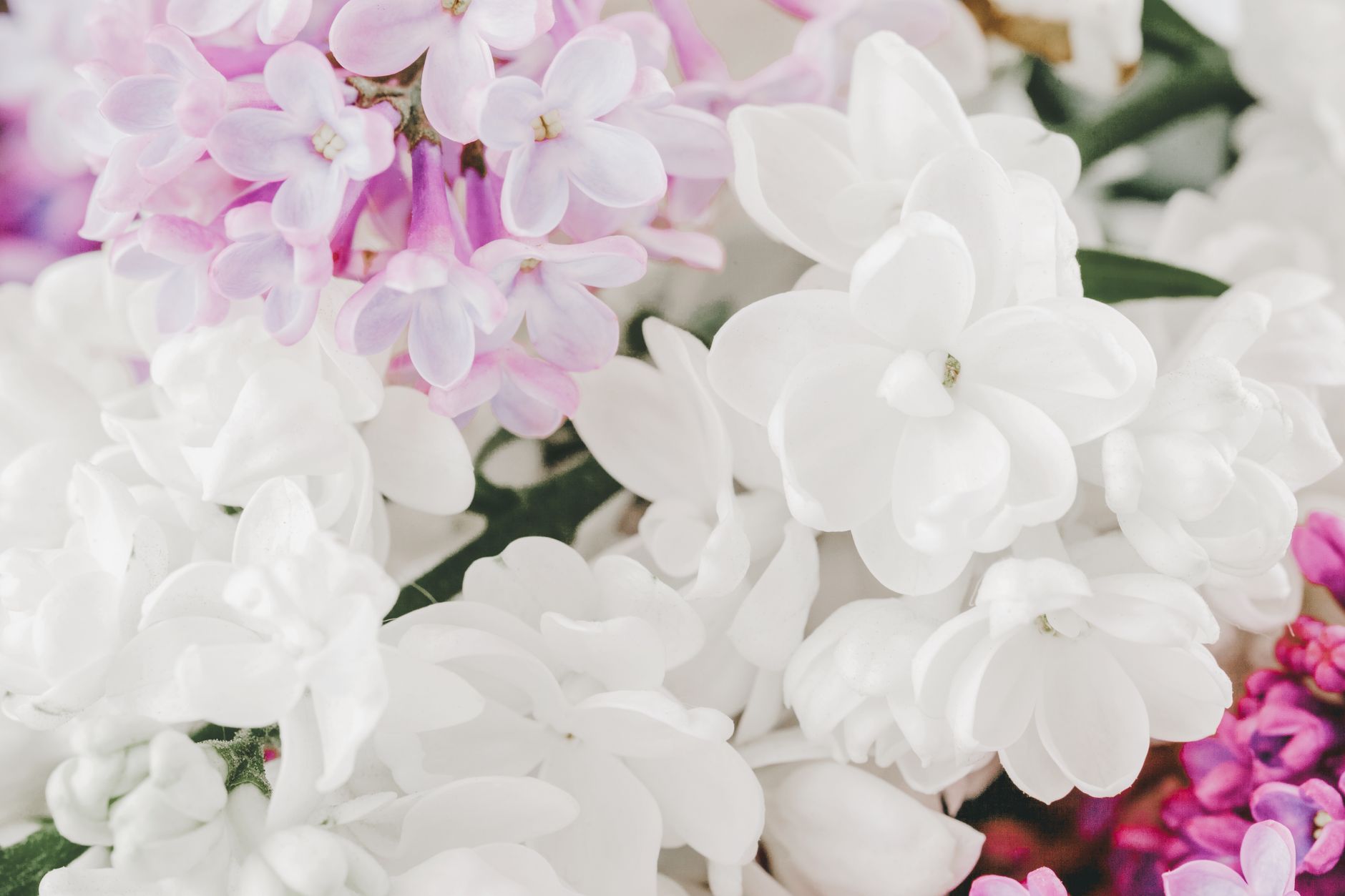
Some flowers are content to look beautiful and leave it at that. Others walk into a room — or more accurately, are placed in a vase in a room — and immediately announce themselves with fragrance. Not subtle fragrance. Not a shy little botanical whisper. We are talking about flowers that make people lean in, ask what that smell is, and suddenly start acting like they know far more about floral notes than they did five minutes ago.
Of course, fragrance in floral design is a funny thing. Some flowers are intensely scented in the garden but less common in cut arrangements. Some smell incredible only when they are at the right stage of opening. And some are beloved by half the population and a little overwhelming to the other half. So this list is not a rigid law handed down from Mount Petal. It is a practical florist-style guide to the flowers that are most likely to bring real scent to an arrangement.
And if you are curious about the exact opposite category, we also have a companion piece on the least fragrant — or occasionally downright funky — flowers that can show up in bouquets. But let us start on the pleasant side of the perfume spectrum.
👑 1. Garden Roses
If there is a queen of floral fragrance in arrangements, it is often the garden rose. Not every rose smells strongly, and that is worth saying clearly. Some standard florist roses are grown more for looks, shipping durability, and vase performance than heady perfume. But true garden roses can be breathtakingly fragrant — lush, romantic, citrusy, fruity, tea-like, spicy, or old-rose rich depending on the variety.
When a really good garden rose is in an arrangement, people notice. The scent is often classic, luxurious, and instantly associated with the idea of flowers in the most flowers-being-flowers way possible.
🌼 2. Hyacinth
Hyacinth is one of those flowers that does not really do “mild.” If it is present, it tends to make itself known. The fragrance is strong, sweet, and unmistakably springlike, with a cool, almost dewy intensity that can fill a room quickly.
It is wonderful in seasonal spring designs, though florists also know it can be a lot in close quarters. One stem can be charming. Several can feel like the bouquet has opinions.
🌸 3. Stock
Stock is a florist favorite for good reason. It adds height, ruffled texture, softness, and a beautiful clove-like spicy sweetness that many people do not expect until they get close. It is one of the most useful fragrant flowers in mixed arrangements because it plays nicely with other stems visually while still contributing real scent.
Stock often gives bouquets that extra layer of old-fashioned garden charm, and the fragrance helps make an arrangement feel more alive and less purely decorative.
🌺 4. Freesia
Freesia has one of the prettiest scents in floristry: sweet, citrusy, fresh, and bright without usually tipping into heaviness. It is often described as cheerful, and that honestly feels accurate. The fragrance has a clean, sparkling quality that works beautifully in spring arrangements, mixed bouquets, and designs where you want scent without full-volume drama.
It is also one of those flowers people often identify by smell before they identify it by name.
💐 5. Oriental Lilies
Oriental lilies are powerful. Visually, yes, but especially in fragrance. When open, they can perfume an entire room with a rich, sweet, unmistakable floral scent that some people absolutely adore and others find a little much after several hours in close company.
That intensity is exactly why they make this list. If you want a bouquet that will be noticed from across the room, lilies are serious contenders. They are dramatic flowers with dramatic fragrance. Very on-brand.
🌿 6. Jasmine Vine Accents
Jasmine is not a standard every-day mixed-bouquet stem the way roses or lilies are, but in the right specialty or event design, jasmine vine or jasmine-like accents can bring a gorgeous perfume with a distinctive soft-night-garden feel.
The scent is sweet, dreamy, and intensely floral in a way that feels almost atmospheric rather than merely decorative. When used, it can elevate the entire bouquet from pretty to memorably scented.
🌻 7. Paperwhites
Paperwhites are divisive, which is part of what makes them interesting. Some people love their musky, narcissus-family fragrance. Others think paperwhites smell like a complicated argument between spring and a damp closet. Still, they are undeniably fragrant, and in winter-to-early-spring designs they can add a lot of personality.
They make the list because they absolutely count as strongly scented, even if public opinion on the exact quality of that scent is not exactly unanimous.
🌼 8. Sweet Pea
Sweet peas are delicately scented rather than overpowering, but when they are fresh and high quality, the fragrance is lovely — airy, sweet, and softly nostalgic. They often feel more intimate than bombastic, which can make them extra appealing in refined spring arrangements.
This is fragrance for people who want poetry, not volume.
🌺 9. Tuberose
Tuberose is famous in perfumery for a reason. It has a rich, creamy, deeply sensual fragrance that can feel almost extravagant. It is not in every daily mixed bouquet, but when it appears in higher-end or specialty designs, it brings serious scent power.
Tuberose is one of those blooms that can make an arrangement smell expensive, dramatic, and slightly mysterious all at once.
🌻 10. Lavender
Lavender is more common as an accent than as a main floral event in many cut arrangements, but it absolutely deserves a spot here. Its herbal, calming, instantly recognizable scent adds a different kind of fragrance to a bouquet — less lush-petal perfume, more clean aromatic garden magic.
It is especially useful when a designer wants a bouquet to feel natural, rustic, or soothing rather than purely sweet.
🤔 A Few Important Fragrance Caveats
Fragrance varies. A lot. Variety, season, freshness, room temperature, stage of bloom, and even individual perception all matter. Two arrangements with similar ingredients may not smell equally strong. And some flowers that are famous for fragrance in the garden are not always the exact versions most commonly used in cut work.
It is also worth remembering that stronger is not always better. A heavily scented arrangement can be magical at home but not ideal for hospitals, some workplaces, or recipients who are sensitive to fragrance. Context matters.
✨ The Bottom Line
If you want an arrangement that does more than look good — one that actually perfumes the air around it — flowers like garden roses, hyacinth, stock, freesia, and oriental lilies are some of the strongest contenders. They bring mood, memory, and atmosphere in a way color alone cannot quite match.
And if you are fascinated by the flowers at the other end of the scent spectrum, do not miss our companion article on the least fragrant — or surprisingly funky — flowers that can appear in arrangements. Because in floristry, smelling memorable can go in more than one direction. 🌸