
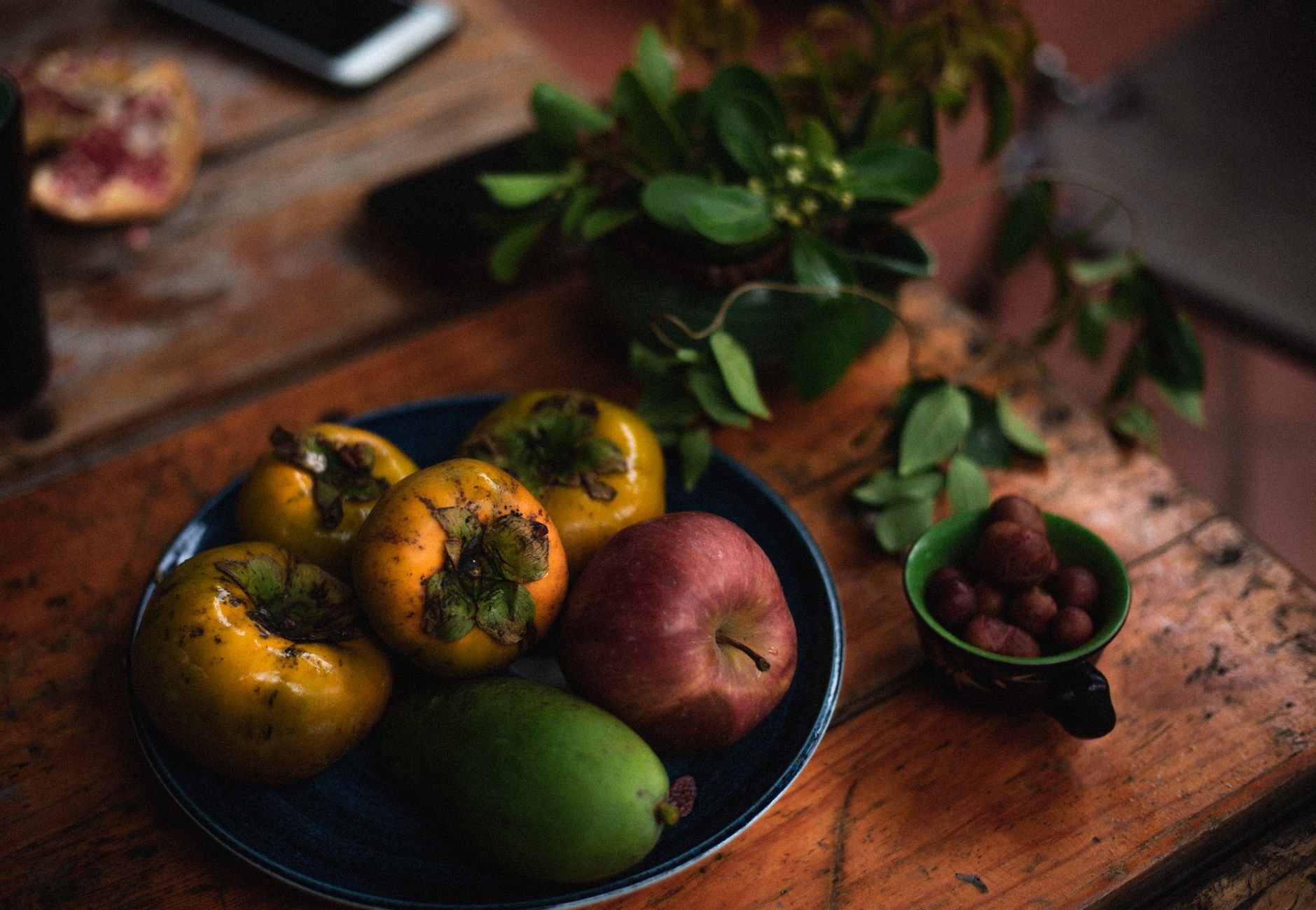
Thanksgiving falls on Thursday, November 26 this year, and the San Carlos farmers market meets on Sundays. That makes Sunday, November 22 the natural shopping day: it is the last regular market before the holiday, close enough that what you buy will still be fresh on Thursday, and early enough that nobody is hunting for flowers on Wednesday afternoon.
This is not a recipe post. It is a plan for using one market morning to set the whole table — the produce you will cook, the produce you will simply look at, and the flowers that tie it together.
A note: we have no business relationship with the market or its vendors. The market is on Laurel Street between Cherry Street and San Carlos Avenue in downtown San Carlos, and the City of San Carlos lists it as a Sunday market with fresh produce, flowers, and specialty foods. Hours, vendors, and holiday-week schedules can change, so check the market’s page before you go. What each stall has in late November varies from year to year.
🧺 The Shopping List That Doubles as Decor
Late autumn on the Peninsula is a good time to shop for a table, because several of the best-looking foods are in season right now. Buy a little more than you need to eat. The extras become the centerpiece.
- Persimmons. Fuyu persimmons (the squat, firm ones) sit on a platter like small orange lanterns and keep for days. Hachiya persimmons (the acorn-shaped ones) are for baking, and only when they are soft.
- Pomegranates. Deep red and dramatic. Stack three or four on a cake stand and the table is half done.
- Pears and apples. Pick the ones with some leaf or stem still attached, which is how you tell they have not been sitting for weeks.
- Winter squash and small pumpkins. Delicata, kabocha, and little sugar pumpkins all work as bases, and the ones you do not use as decoration go into the soup.
- Brussels sprouts on the stalk. If a stall has them, buy one. It is an odd, sculptural thing that guests will ask about.
- Herbs. Rosemary, sage, and thyme in small jars of water. They smell like the meal, which is the right kind of scent for a dinner table.
- Citrus with leaves. Mandarins and lemons with the leaves still on add green and gold without a single flower.
🌷 What to Ask the Flower Stall
Not every market has a flower vendor every week, and the late-season selection thins out. When you do find one, skip “what do you have” and ask “what is cut this week and holds up well?” You are likely to hear about chrysanthemums, snapdragons, late dahlias, and hardy greenery, depending on the grower and the weather. Our guide to mums explains why they are the dependable choice for a long holiday weekend, and our post about what the flower stalls are selling in October shows the earlier part of the season.
Buy flowers in small bunches, not one huge one, because the plan below uses several small vessels.
🍽️ Build the Table in Three Layers
- Layer one: the produce. Set the biggest items — a pumpkin or two, a platter of persimmons, the cake stand of pomegranates — along the middle of the table, leaving gaps. A Thanksgiving table fills up quickly and the dishes need somewhere to land.
- Layer two: the herbs. Tuck small jars of rosemary and sage into the gaps. They add height and green, and they cost almost nothing.
- Layer three: the flowers. Use short stems in small vessels, one at each end of the table and a few near the middle. This is the accent, not the foundation. If every flower on the table disappeared, you would still have a harvest table. If every vegetable disappeared, you would not want to be left with only flowers.
For the vessels, anything small and clean works: a jam jar, a teacup, a drinking glass, a hollowed-out small squash with a glass liner. Our guide to fun centerpieces has more ideas.
🍎 The Ethylene Rule: Keep Ripe Fruit and Flowers Apart
Here is a florist’s detail that is easy to miss. Ripening fruit, especially apples, pears, and persimmons, gives off ethylene, a gas that makes cut flowers age faster. A bouquet sitting in the middle of a bowl of fruit for four days will not look as good on Thursday as one that was kept away from it.
The solution is simple: keep the flowers and the fruit in different rooms until the morning of the dinner, then bring them together. Our general guide to keeping cut flowers fresh covers the rest of the basics.
⚠️ Decorative Food Is Not Garnish
- Wash anything you plan to eat. Fruit that has been handled, displayed, and moved around should be rinsed before it goes on a plate.
- Do not put florist flowers on food. Most cut flowers are not grown to be eaten. If you want edible flowers on a dessert, ask a grower who sells them as edible.
- Keep candles away from dried material. If you add wheat or dried grasses, keep the flames well clear.
🗓️ The Timeline
- Sunday, November 22: The market. Buy the produce, herbs, and flowers.
- Sunday afternoon: Give the flowers a fresh cut, put them in clean water, and keep them somewhere cool and away from the fruit.
- Tuesday, November 24: Top up the water. Wash and sort the produce you plan to cook.
- Wednesday, November 25: Gather the jars and vessels. If you are pressed for time, set the table tonight, minus the flowers.
- Thursday, November 26, morning: Fill the vessels, bring the flowers to the table, and add the fruit.
🚚 If You Cannot Make the Market
Not everyone is free on a Sunday morning, and some people are hosting in a different city altogether. We deliver to San Carlos, Belmont, Redwood City, San Mateo, and the rest of the Peninsula, so a seasonal arrangement can be waiting on the table when you get home from the store. If the host is someone else, a bouquet sent ahead to arrive on Tuesday or Wednesday is a kind way to say thank you, and our guide to thank-you flowers has ideas for the card.
If you are planning the menu as well, our post on which flowers go with which cuisine and the earlier look at the summer market are good companions to this one.