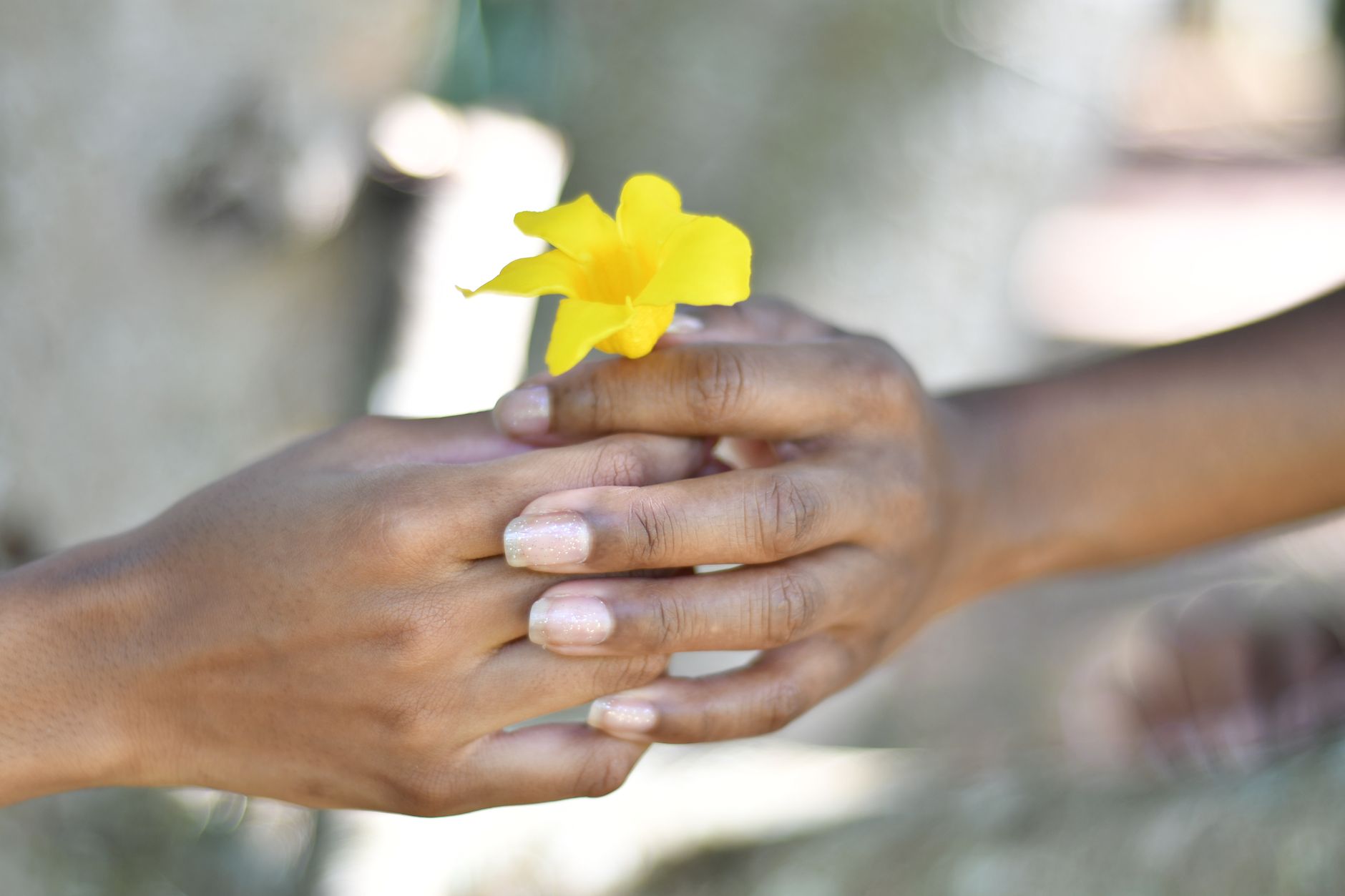
World Mental Health Day is observed every year on October 10, which this year is a Saturday. The day is about raising awareness and reducing stigma, and most of us do not need a holiday to know someone who is having a hard stretch. A friend after a rough few months, a coworker who has gone quiet, a parent who lives alone, a college student who is not answering texts the way they used to.
We are a florist, not a counselor or a clinic, and we want to be plain about that from the start. Flowers are not treatment, and they will not fix anything. What they can do, on a good day, is tell a person that someone noticed. This guide is about doing that gently, without making things heavier. At the end, there is a short list of where to turn if someone is in real danger.
🌱 Why Small Often Beats Big
When someone is struggling, a huge, dramatic gesture can feel like pressure. It can arrive with an unspoken expectation: be grateful, be cheerful, say thank you in the right way. A small gesture asks for nothing. A short note, a single stem, or a little arrangement on the doorstep says, “I thought of you, and you do not have to do anything about it.”
That is the idea behind everything below: make it easy to receive.
✍️ What to Write on the Card
The words matter more than the flowers. A few things that tend to work:
- Keep it short and warm. “Thinking of you.” “No need to reply.” “I’m glad you’re in my life.”
- Take the pressure off. “No response needed” is a gift in itself.
- Be specific when you can. “I’d love to take a walk with you whenever you feel like it” is easier to accept than “let me know if you need anything.”
And a few things to skip:
- Advice. Not a diagnosis, not a solution, not a link to an article.
- Silver linings. “At least…” rarely helps.
- Cheerfulness as an instruction. “Cheer up!” or “Stay positive!” can make a person feel they are failing at being okay.
- Prying. You do not need to ask what is wrong in order to say you care.
🌷 Flowers That Ask Nothing
There is no “mental health bouquet,” and we would be wary of anyone who sold you one. But some choices are easier on the person receiving them:
- Small and simple. A little bunch in a jar is easier to accept, and easier to find a spot for, than a large formal arrangement.
- Low fragrance. Strong scents can be overwhelming when someone is tired or run down. Our guide to the least fragrant flowers helps with choosing.
- Sturdy and low-maintenance. Chrysanthemums, alstroemeria, and carnations last a long time with almost no attention, so the flowers are not one more thing to take care of. Our guide to keeping cut flowers fresh has the basics for the recipient.
- Colors that feel gentle. Soft yellows, greens, whites, and warm autumn tones tend to feel calm. Beyond that, there is no rule, and a flower the person loves beats any color theory.
- A pot of something living, if you know they like plants. Some people enjoy something to tend, and others find it one more obligation. Know the person before you choose. Our guide to what to try after a houseplant dies is a kind read for anyone who feels they have already failed at it.
📦 Delivery That Respects Privacy
- Think about where it lands. A delivery to a workplace can lead to questions the person may not want to answer. A home delivery, or a drop-off with a text beforehand, is often better. Our guide to the surprise delivery goes into this.
- Send a heads-up. A quick “something small is coming, no need to reply” avoids a surprise at the door.
- Choose a quiet time. Since World Mental Health Day is a Saturday, a Friday or Saturday delivery fits, but there is no deadline. The gesture is just as good on a random Tuesday, and often better.
We deliver to San Carlos, Belmont, Redwood City, San Mateo, Menlo Park, and across the Peninsula. Our thank-you flowers page is a good starting point for a simple “I appreciate you” gift.
🚶 Other Ways to Show Up
Flowers are one option among many, and often not the most important one:
- An invitation with no obligation. A walk in one of our San Carlos parks, with an easy out.
- A meal on the doorstep. Dinner you do not need to talk through.
- A regular, low-key check-in. A text every week or two, with no expectation of a long answer, matters more than one grand gesture.
- Just listening. The most useful thing is often to hear them out without fixing anything.
🤝 For the Person Who Does the Worrying
If you are the friend, partner, or parent who is carrying this, you deserve a bouquet too. Caring for someone who is struggling is tiring, and it is easy to forget yourself. A small bunch of flowers for your own kitchen counter is not indulgent. It is a reminder that you count.
🆘 If Someone Is in Crisis
A bouquet is not a substitute for help. If someone you know may be thinking about harming themselves, or you are, please do not wait on flowers:
- In the United States, call or text 988 to reach the 988 Suicide & Crisis Lifeline, free, confidential, and available any time.
- If there is immediate danger, call 911.
- A doctor, therapist, or the person’s own care team is the right place for ongoing concerns. We cannot give medical or mental health advice.
💛 The Short Version
Keep it small, keep it quiet, and make it easy to receive. A few kind words, a stem or two, and no expectation of a reply can tell someone more than a big production. And if what you are really feeling is worry, call the person, or reach out for help.